I. Product Positioning
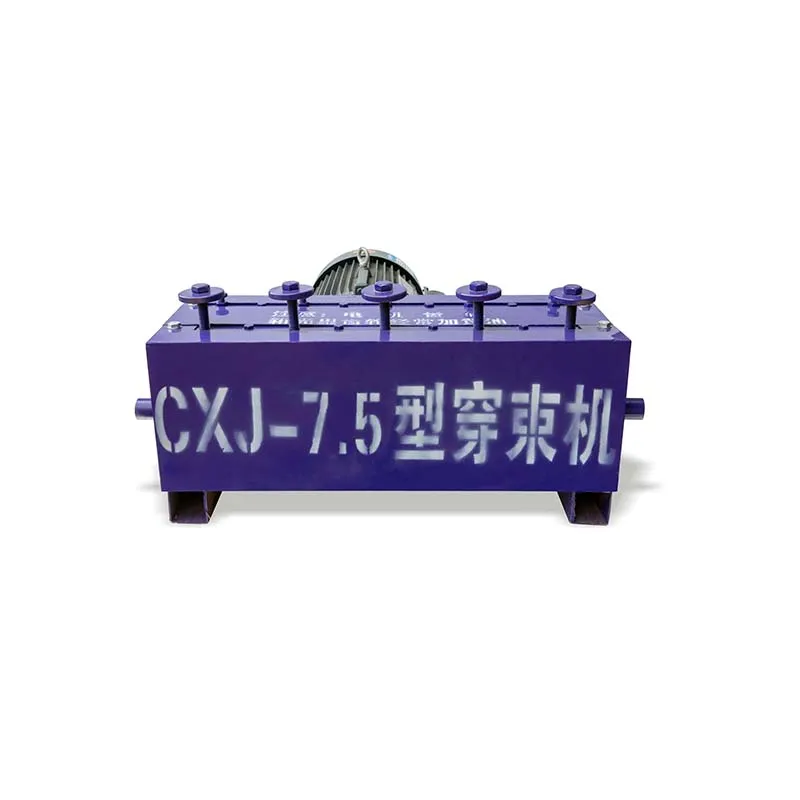
This is specialized equipment for prestressing operations, designed to continuously push coiled prestressing steel strands through pre-embedded corrugated ducts within bridges and structural components. It replaces manual strand threading and significantly reduces the difficulty of threading through long or curved ducts.
II. Structural Components
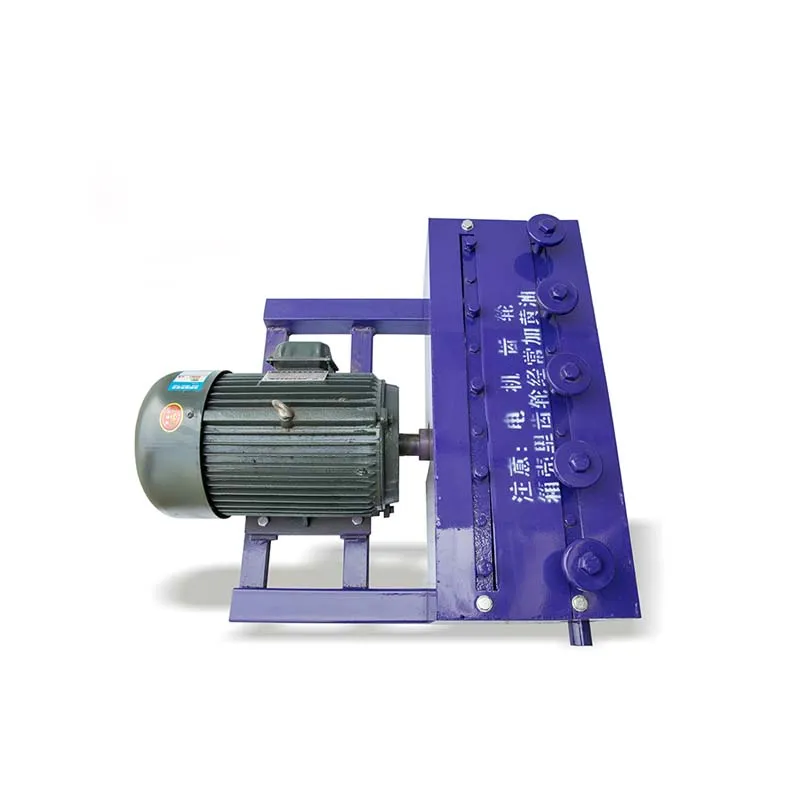
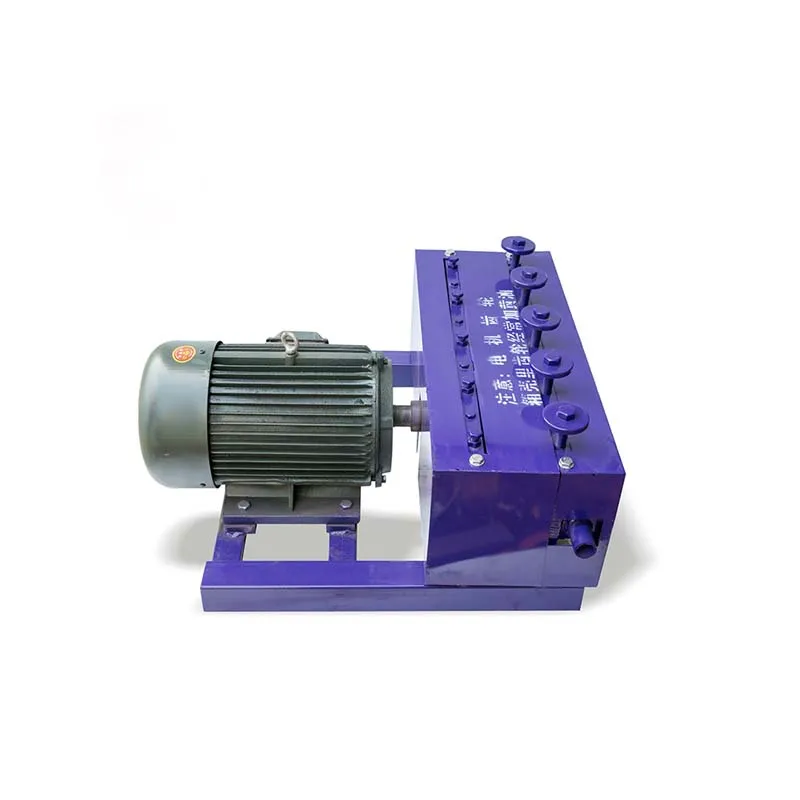
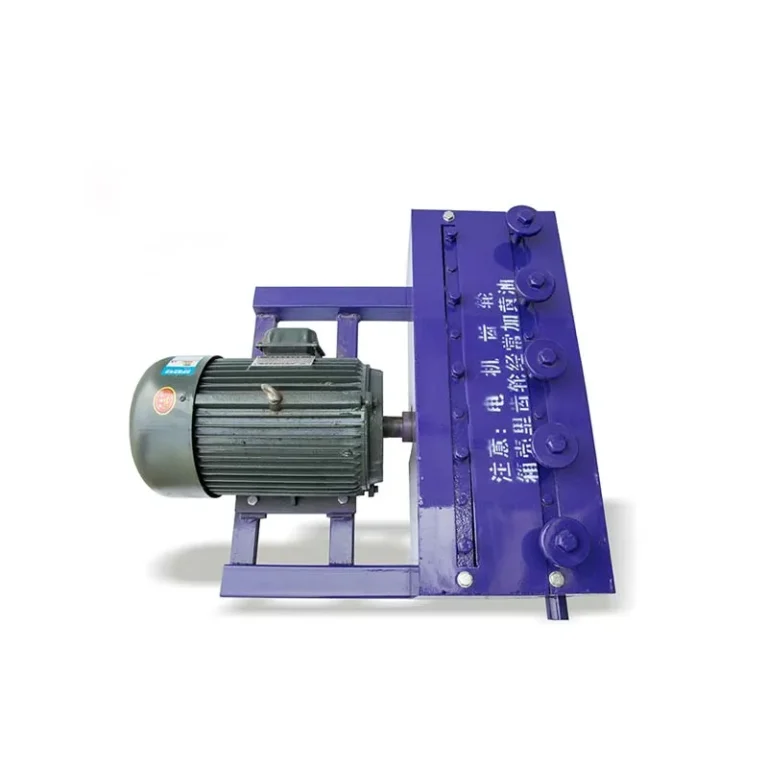
Drive Motor: A high-power motor located on the left side provides power to the entire unit.
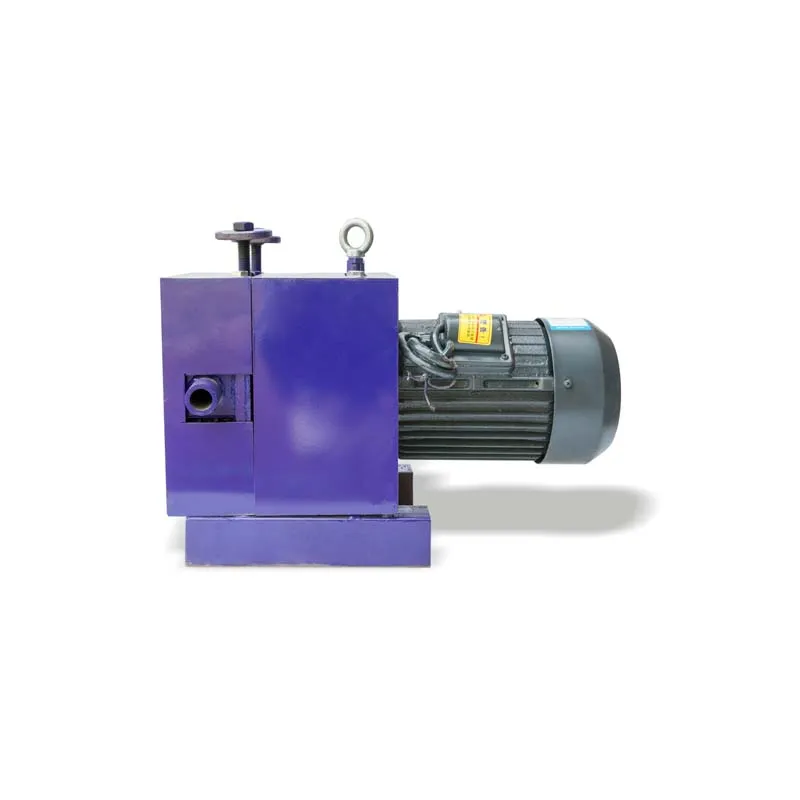
Clamping and Feeding Mechanism: Housed within the purple main casing, multiple sets of upper and lower pressure rollers grip the strand via friction and propel it forward through roller rotation.
Guide and Pressure Roller Sets: An adjustment handwheel on top of the casing regulates the clamping force, allowing the machine to accommodate strands of varying quantities and diameters while controlling grip friction.
Integrated Frame: Secures the motor and main casing into a single unit, ensuring stable operation.
III. Key Features
1. Labor-saving and efficient; suitable for long-distance threading
Manual threading is suitable only for short ducts, whereas this equipment can continuously feed strands through curved box-girder ducts exceeding 100 meters in length. It supports simultaneous threading of single or multiple strands, offering construction efficiency several times higher than manual methods and drastically reducing labor requirements.
2. Adjustable clamping force; high adaptability
The top handwheel adjusts the clamping pressure, ensuring a secure grip without slippage while preventing excessive compression that could damage the strand’s galvanized or anti-rust coating. It is compatible with standard 15.2mm prestressing steel strands.
3. Bidirectional control (forward and reverse)
The equipment supports forward feeding and reverse retraction. If threading errors occur or strand length needs adjustment, the strand can be retracted and the operation restarted, offering high tolerance for operational errors.
4. Compact structure; flexible relocation
Featuring an integrated design and compact size, the unit can be easily transported to specific work sites—such as girder ends or excavation edges—making it ideal for multi-span bridge construction scenarios where work locations are dispersed. 5. Reduced risk of corrugated duct damage
Using a mechanical system to feed steel strands at a constant speed—as opposed to manual dragging—minimizes the likelihood of strand ends scratching or puncturing the duct walls, thereby preventing potential grout leakage during the subsequent grouting process.
IV. Key Application Scenarios
Steel strand threading for long ducts in bridge box girders and T-girders;
Steel strand threading (using flat ducts) for long-span floor slabs in basements;
Feeding and threading steel strands into long anchor cable ducts for slopes and foundation pits.