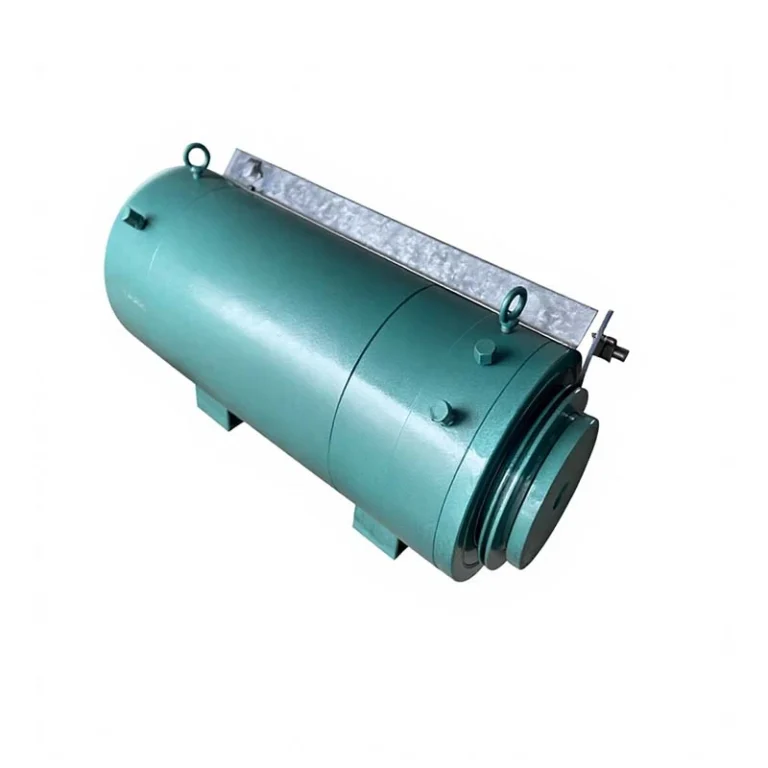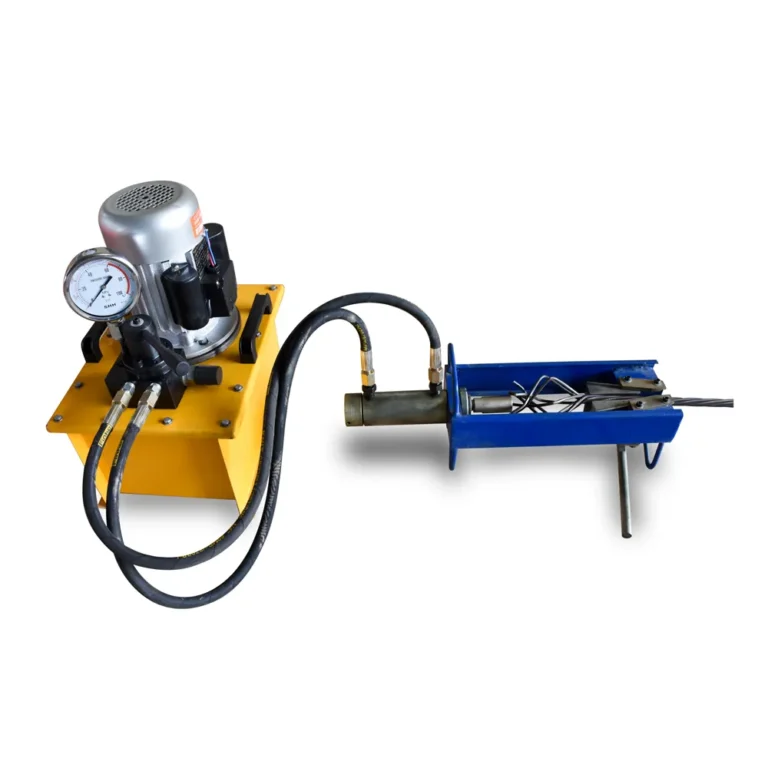
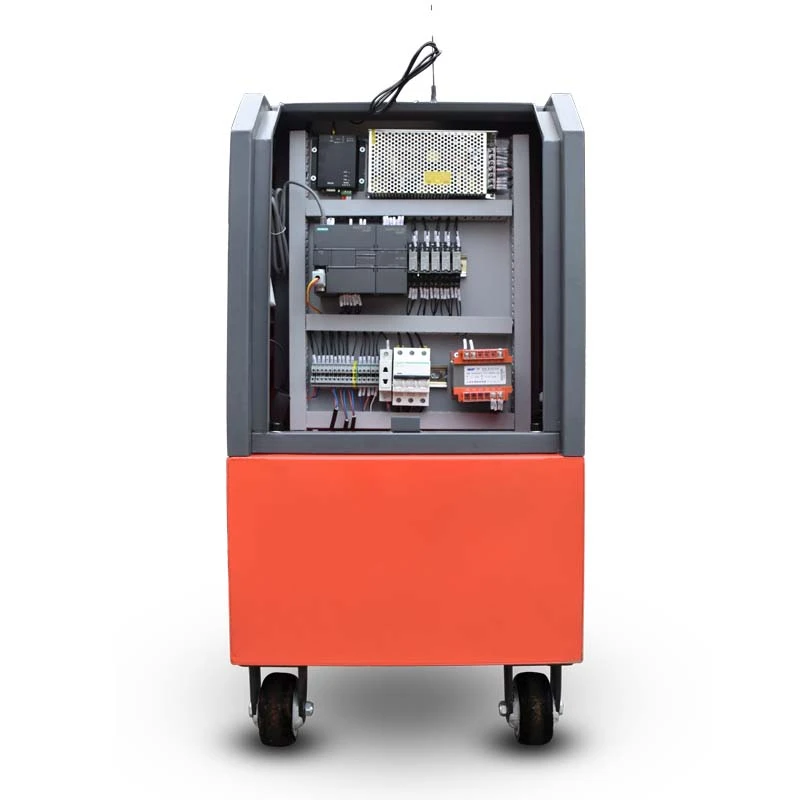
Multi-point synchronous jacking hydraulic system is divided into 5 parts: hydraulic pump station, PLC computer control system, hydraulic system, displacement pressure detection and human-machine interface operating system. The system integrates hydraulic jacking system, computer PLC signal processing, displacement monitoring, bridge structure analysis and construction technology, and is a complete set of technology development on the integrated system. The core is to design a computer PLC signal processing and hydraulic system according to the characteristics of the bridge based on the bridge structure analysis and construction technology, input the displacement signal of the external monitoring facility, output the hydraulic system oil quantity control signal, and use the terminal multiple sets of jacks to achieve For the purpose of balanced, safe and efficient bridge lifting and horizontal movement, the lifting load includes: 200 tons-3200 tons, and the lifting height is 5mm to 500mm
| 2026hydraulic pump | 2026hydraulic pump |
|---|
Tell us what you need. Available model and stroke combinations will be confirmed in the quotation.
The system consists of two main modules:
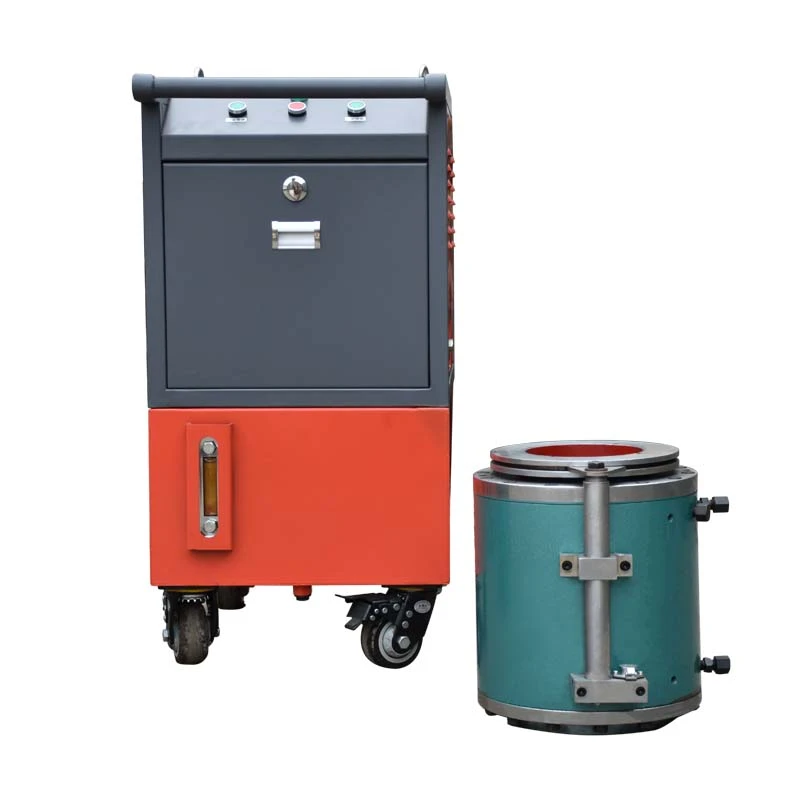
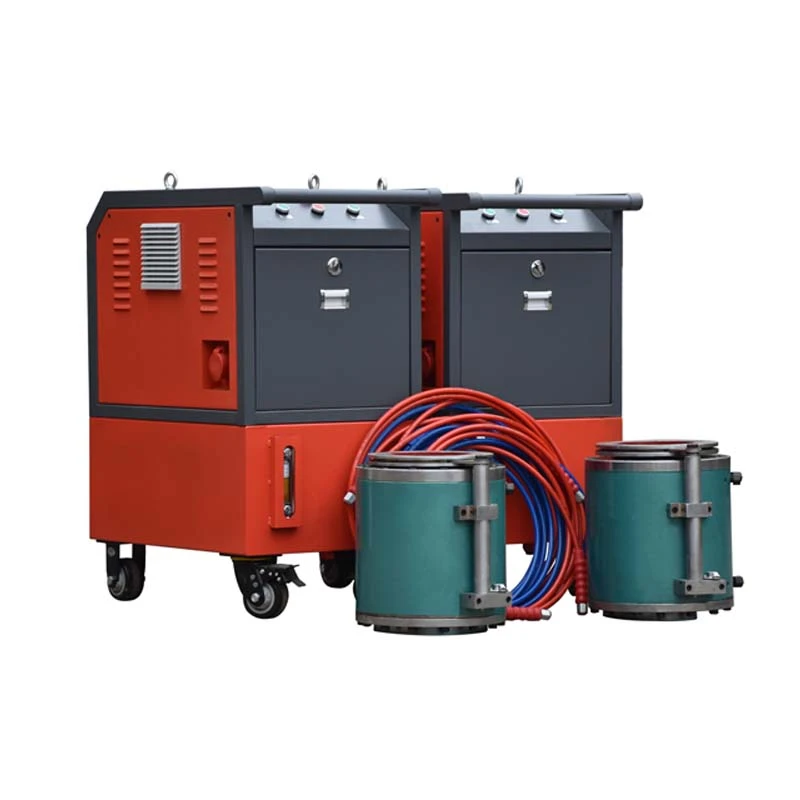
Two intelligent CNC hydraulic pump stations: Housed in red-and-black cabinets equipped with casters, these units contain a PLC control system, high-pressure oil pumps, pressure/displacement sensors, and wireless communication modules; they handle oil supply, data processing, and automatic control of the tensioning process.
Two high-tonnage hollow-core tensioning jacks: The green cylindrical units shown in the image; connected to the pump stations via red and blue high-pressure hoses, they are installed at both ends of the beam’s prestressing ducts to enable synchronous tensioning.
The package includes high-pressure hoses and signal transmission lines, capable of automatically recording data throughout the entire tensioning process.
Utilizing a closed-loop control system combining a PLC with displacement and pressure sensors, the jacks at both ends of the beam synchronize pressure increases and elongation. This strictly controls the difference in tensioning force and steel strand elongation deviation between the two ends, resolving the common issue of uneven force distribution associated with manual tensioning.
The entire process—including staged tensioning, pressure holding, and automatic anchoring/unloading—follows standard specifications. Minimal manual intervention is required, thereby avoiding errors in manual readings and inconsistencies in pressurization pacing.
The system automatically records parameters such as hydraulic pressure, actual steel strand elongation, and pressure-holding duration in real-time. It generates exportable electronic tensioning reports with tamper-proof data, complying with documentation archiving and supervisory acceptance requirements for bridge prestressing construction.
It supports wireless data transmission and integrates with on-site information management platforms, enabling remote uploading and monitoring of tensioning data.
Built-in automatic shutdown and alarm functions trigger if limits for over-pressure, over-travel, or tension force deviation between ends are exceeded. Immediate pressure release and shutdown occur upon detecting anomalies, eliminating risks such as steel strand overload/wire breakage and structural cracking due to eccentric loading.
The pump station cabinets feature heat dissipation structures and casters for flexible relocation across the beam surface, while the rainproof and dustproof design makes them suitable for outdoor bridge construction sites. 4. Standardization of the Tensioning Process
Parameters such as target tensioning stress, load-holding duration, and incremental loading steps can be preset, allowing the equipment to automatically execute the entire procedure. This ensures consistent tensioning quality across different work crews and operators, offering far greater operational stability than traditional manual hydraulic pump methods.
Suitable for double-end tensioning of prestressing tendons in long ducts—such as those found in highway and railway bridge box girders and continuous beams—as well as for large-scale municipal prestressed components and standardized high-speed railway bridge construction projects. It is currently a piece of intelligent prestressing construction equipment mandated for widespread adoption in road and bridge engineering.