I. Structural Design and On-Site Adaptability
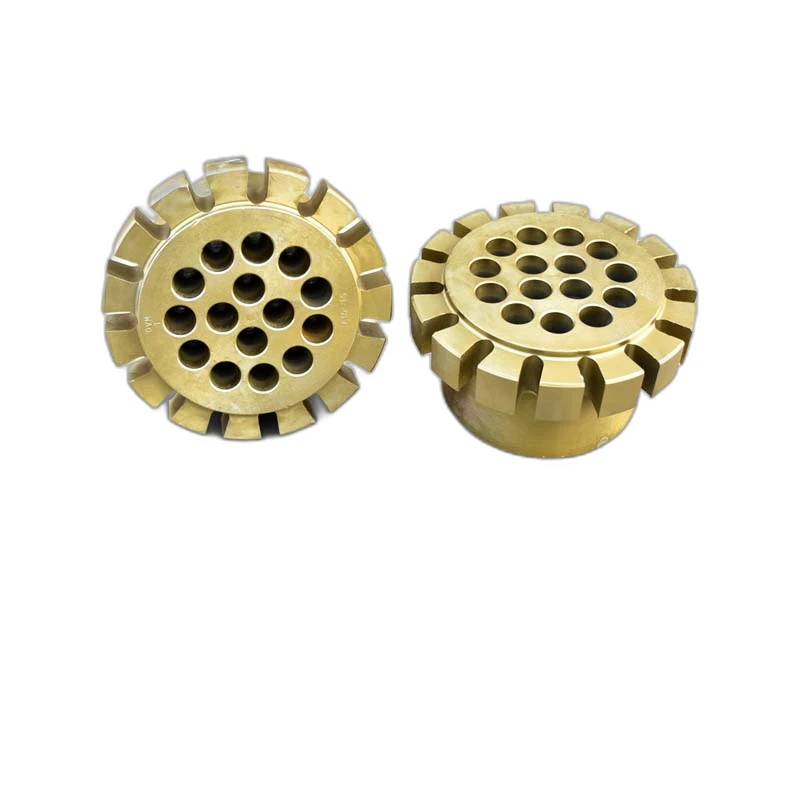
This multi-hole anchor adopts an integral hole layout on the anchor body, which supports one-time penetration and unified tensioning of a full set of steel strands. It fully conforms to conventional multi-hole prestressed anchor standards used in geotechnical and bridge projects. Different from single-hole anchors that require strand-by-strand assembly, this structure avoids repeated splicing work on site and greatly speeds up the overall construction progress. The outer serrated design on the anchor body provides reliable friction for construction tool clamping, preventing relative sliding during tensioning and ensuring even force bearing across the whole anchor.
The product applies a separated modular structure, consisting of one integral anchor cup and independent double-piece wedges for each hole. Every single steel strand is clamped and positioned by a separate set of wedges. This independent clamping mode effectively avoids mutual force interference between adjacent strands. In daily project use, if individual wedges suffer wear, deformation or failure, users only need to replace the damaged parts separately, instead of changing the whole anchor assembly. This practical design effectively cuts on-site maintenance costs and reduces unnecessary component waste.
The inner tapered hole of the anchor cup is machined to closely fit the outer taper of the supporting wedges. During actual tensioning, when the steel strand generates micro retraction under load, the wedges will automatically produce supplementary locking force. The greater the tensile load, the tighter the clamping state, which restricts strand slippage to the maximum extent. It can realize stable and consistent anchoring effect for the entire strand bundle, avoiding inconsistent stress and anchoring deviation of single strands.
II. Material Performance and Corrosion Resistance
The anchor body is forged from high-strength alloy steel with stable mechanical performance. It can withstand large-tonnage tension loads in actual working conditions, and is not prone to cracking, deformation or structural failure under long-term high-load operation. The whole anchor surface is treated with galvanizing and passivation composite anti-rust process. Compared with ordinary surface treatment, this process provides better moisture resistance and corrosion resistance. It can adapt to complex and harsh working environments, including open-air bridge construction, humid foundation pit sites and underground anchoring projects, and maintains stable service performance for a long time.
III. On-Site Construction Advantages
This multi-hole anchor realizes one-time batch penetration and tensioning of full-bundle steel strands. Compared with the traditional single-hole anchoring method that requires repeated threading and separate tensioning for each strand, it greatly simplifies the construction procedure and shortens the on-site working cycle. It is very suitable for rapid construction of long-span bridge prestressed strands and ultra-long anchor cable tensioning in deep foundation pits.
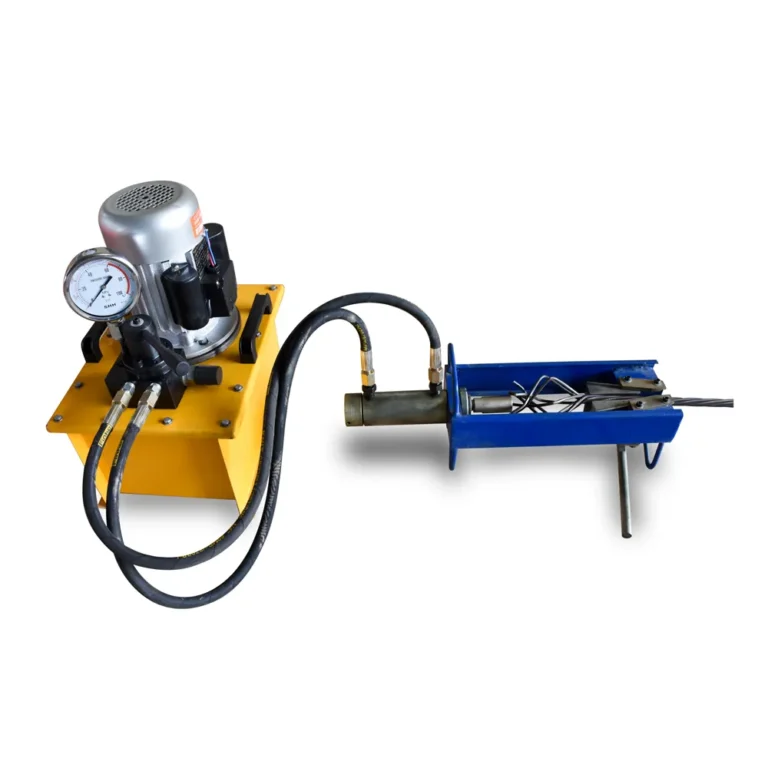
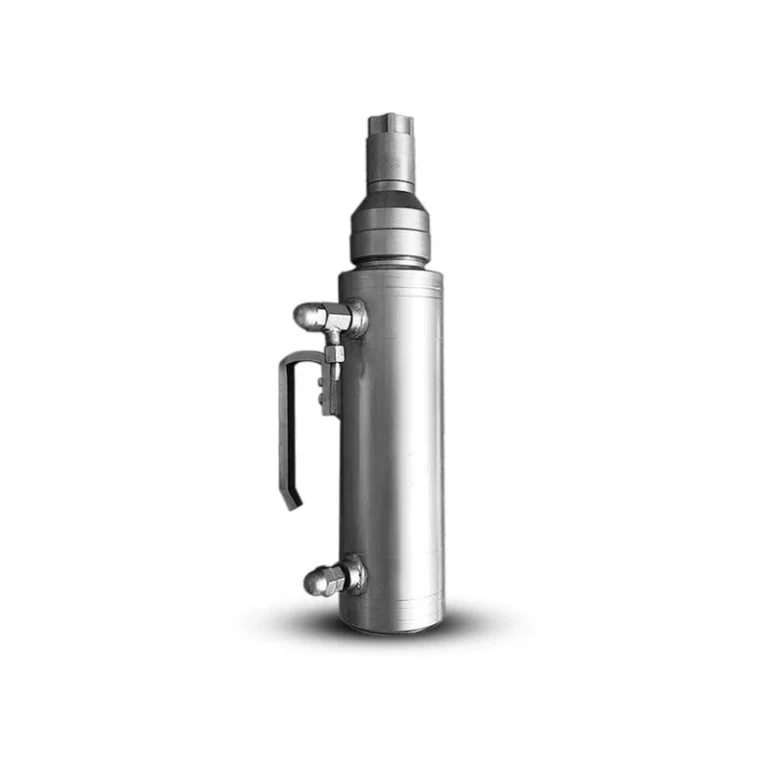
The product features strong equipment compatibility. It can be directly matched with conventional standard tensioning anchors and center-hole jacks of corresponding specifications on the market. On-site construction does not need customized tooling or special supporting equipment, which lowers the threshold of construction operation and improves the universality of engineering application.
The multi-hole position of the anchor body is processed with high coaxiality, which ensures smooth threading and neat alignment of each steel strand. In the tensioning process, the load can be evenly distributed to each strand. It effectively prevents individual strands from bearing excessive partial load, avoids strand breakage and anchoring failure caused by unbalanced stress, and improves the overall safety of prestressed construction.
IV. Engineering Application and Operational Features
This anchor is widely applicable for on-site extension construction of long prestressed strands in bridge projects, phased tensioning and extension of multi-layer anchor cables in deep foundation pits, and ultra-long anchor cable splicing for geotechnical slope reinforcement.
With a split wedge structure, the product is more in line with on-site construction habits. Workers can complete strand threading in batches in advance, and carry out unified tensioning and locking after all strands are in place. The operation is flexible and convenient, which improves the overall construction efficiency.
The overall anchoring indexes of the product are consistent with the standard multi-hole anchorage requirements in the industry. The tensile bearing capacity and locking stability of the extended strand section fully meet the original design tension load standards, ensuring the reliability and standard compliance of the whole project structure.