I. Product Positioning
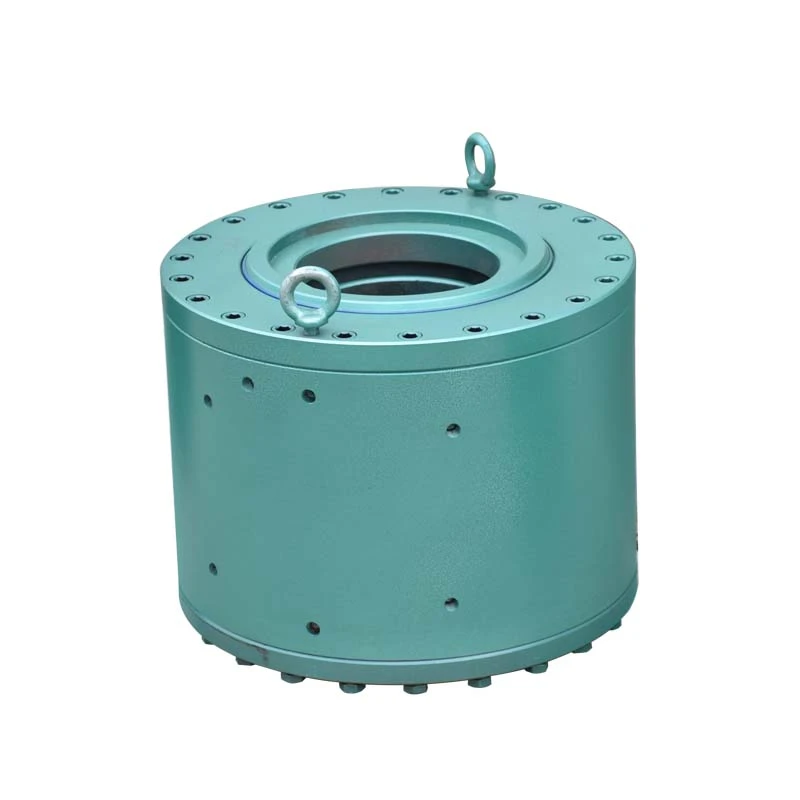
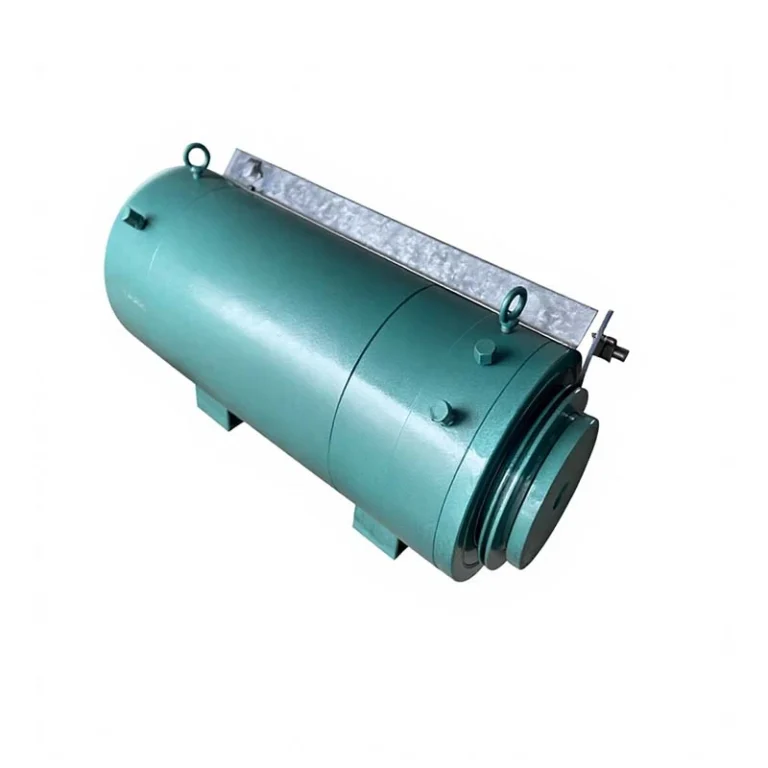
This hydraulic jack is the core equipment for conventional prestressed tensioning work in post-tensioned concrete projects. It is tailor-matched with multi-hole working anchors, temporary tool anchors and standard steel strands used on construction sites. The equipment is mainly used for integral tensioning of full bundles of steel strands, serving as the key hydraulic tool to complete prestress tensioning and locking for various large concrete structures.
II. Main Structural Components
Central Hollow Through Hole: The hollow design running through the whole jack body allows the entire steel strand bundle to pass freely. It supports one-time synchronous tensioning of multiple strands, which is the basic structural condition for overall bundle tensioning.
Top Flange Bolt Holes: Reserved bolt holes on the top flange are used for installing and fixing limit plates and tool anchors. They can firmly lock the entire tensioning assembly during operation to avoid displacement and ensure stable tensioning accuracy.
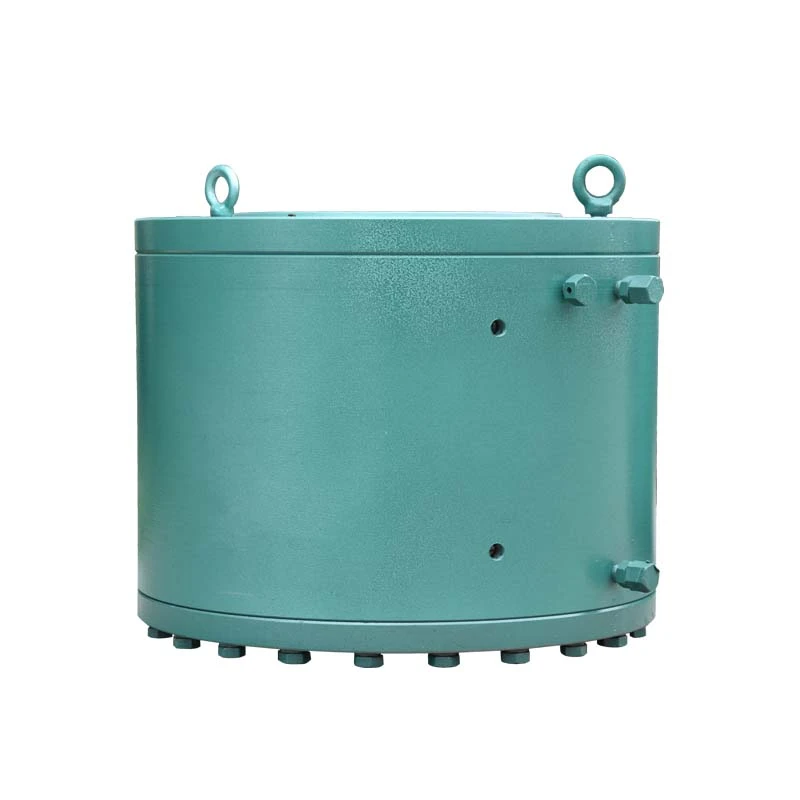
Lifting Lugs: Two integral lifting lugs are reserved on the jack body. High-tonnage jacks weigh heavily and cannot be moved manually on site. The lifting structure cooperates with on-site cranes and forklifts to complete hoisting, handling and position adjustment, greatly improving the convenience of field transfer.
Dual Hydraulic Oil Ports: Two sets of hydraulic interfaces are arranged on the side of the cylinder, corresponding to tensioning oil inlet and reset release oil circuit respectively. The double-circuit structure realizes hydraulic drive for both extension and retraction strokes, making the whole tensioning and anchor releasing process smooth and controllable.
High-Strength Cylinder Body: The main cylinder is forged from high-quality alloy steel with strong pressure resistance. Matched with high-precision and wear-resistant sealing parts, it can stably bear long-term high hydraulic pressure without oil leakage, meeting the continuous working requirements of on-site high-load tensioning.
III. Core Performance and Product Advantages
Dual-Acting Hydraulic Working Mode
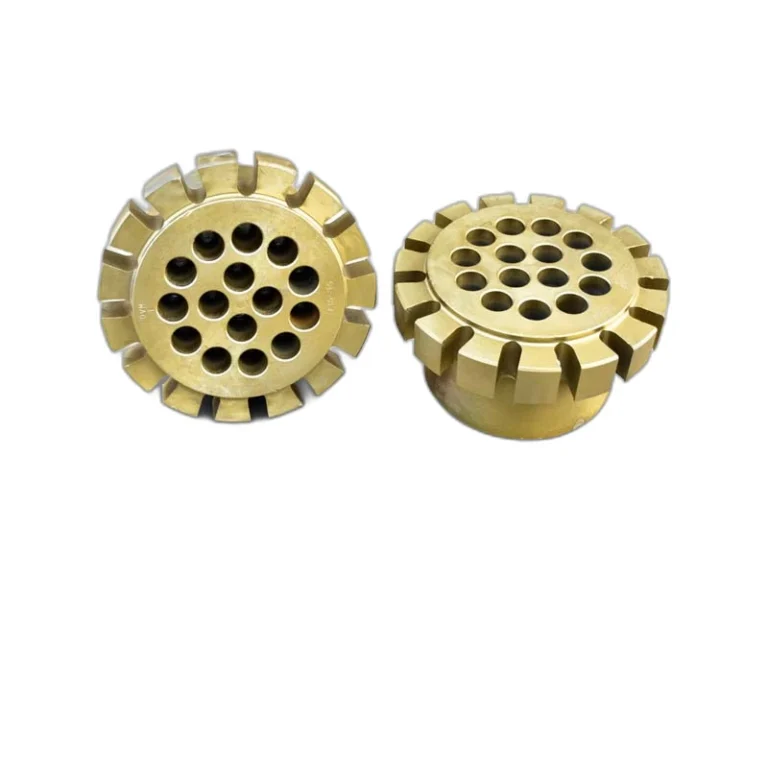
Both tensioning stretching and cylinder retracting rely on hydraulic drive. The tensioning pressure rises steadily without sudden pressure fluctuation, and the return speed can be well controlled during pressure relief. Different from single-acting jacks that rely on spring reset, this double-acting structure features faster anchor releasing speed and higher overall construction efficiency. It is very suitable for engineering projects with large tensioning volume and continuous cyclic operation. The product covers a wide tonnage range from 200t to 3000t, and can match 4-hole to 55-hole multi-hole anchors, basically covering all mainstream specifications of prestressed anchorage in current infrastructure projects.
Practical Advantages of Hollow Structure
Steel strands can directly penetrate the center of the jack, eliminating the trouble of staggered and segmented threading. The whole bundle of strands is tensioned at one time, which can well balance the stress of each single strand, effectively reduce the tension deviation between strands, and ensure uniform overall stress of the prestressed bundle. This structure is particularly suitable for long-distance duct tensioning, and is widely used for prestressed tendon construction of bridge box girders and long-span beam structures.
Strong On-Site Adaptability
The top flange adopts unified standard design, which is universally compatible with conventional backing plates and tool anchors on the market. No special adapter accessories are required for on-site matching, which saves preparation cost and improves construction convenience. The outer surface of the cylinder is coated with anti-corrosion protective layer, and the internal sealing materials have excellent hydraulic oil resistance and aging resistance. The whole machine can adapt to outdoor open-air construction and humid working environments such as foundation pits and bridge sites. For high-tonnage models, the reserved lifting points facilitate frequent installation and removal at high-altitude working positions such as bridge deck beam tops and hanging baskets, adapting to complex and changeable site construction conditions.
IV. Main Application Scenarios
This series of hollow tensioning jacks are essential supporting equipment for prestressed construction. It is widely used in post-tensioning tensioning of highway and railway bridges, prestressed anchor cable tensioning of water conservancy dams, tensioning construction of various long-span prestressed concrete components, and high-tonnage anchor cable tensioning operation for foundation pit support, covering most mainstream prestressed engineering scenarios in municipal, traffic and water conservancy projects.